1936 · The first dated result
A name enters the record
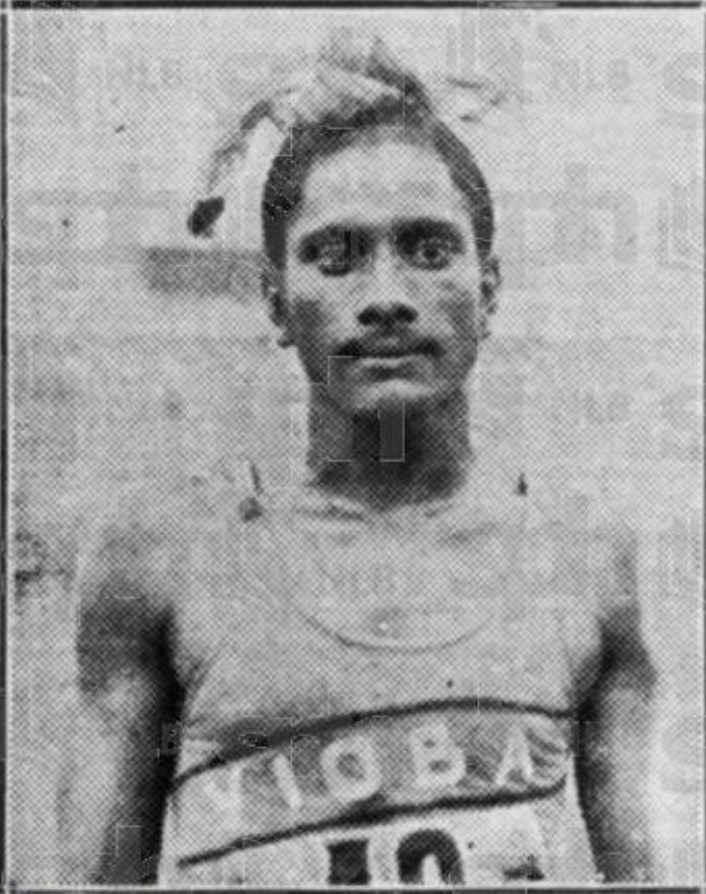
The Straits Times of 18 July 1936 lists Saroop Singh third in a one-mile result. The clipping mentions V.I.O.B.A.; it does not establish student status.
Contemporary newspaper result
Please wait while we load the Saroop Singh Archive content...
Evidence-led biography
Saroop Singh appears across a remarkable body of newspaper evidence from pre-war Malaya. This biography says only what the reviewed collection can support—and leaves the missing human story open to his family.
Documented chapters
1936 · The first dated result
The Straits Times of 18 July 1936 lists Saroop Singh third in a one-mile result. The clipping mentions V.I.O.B.A.; it does not establish student status.
Contemporary newspaper result
1937 · The record season
A dense run of July reports records a Selangor half-mile victory and state-record performance, including a published photograph of the winner.
Multiple contemporary reports
1938 · Running for Selangor
The archive follows Saroop Singh into the Selangor medley relay at Seremban and another Selangor Amateur Athletic Association meeting in Kuala Lumpur.
Contemporary reports
1939–1940 · Endurance and range
Records move beyond the track to inter-club cross-country and a six-mile trial; an August 1940 report names Saroop Singh individual champion at St. John Ambulance Brigade sports.
Multiple contemporary reports
1949 · Community sport
Post-war clippings associate Saroop Singh with the first Malayan Sikh Ladies Athletic Meet and a Selangor Sikh sporting visit to Singapore.
Contemporary community reports
1953–1954 · Still on the field?
Two later match reports name a Saroop Singh scoring in Selangor hockey. The match facts are clear; the archive has not yet proved that this is the same Saroop Singh.
Contemporary reports; identity requires corroboration
The reviewed records do not yet establish Saroop’s parents, siblings, spouse, children, later occupation, retirement from competition, mentorship, or the duration of any record. Later hockey reports may describe the same man, but the identity has not been proved.
Names, relationships, remembered places and voices can deepen this record—but family testimony will always be labelled and reviewed rather than treated as automatic fact.
Enter the Memory Room